Google's Gemini Now Calls Businesses to Make Bookings for You
In Tasks inside the Gemini app, AI places the call itself to get things like reservations done. Google has moved from training a separate model for each task to a Gemini-based system that can take requests with specific conditions attached.
Google has brought Google Duplex, its technology for placing calls on a user’s behalf, into Tasks in the Gemini app. In a November 20 blog post, Google said the feature rolled out this week. Jobs that require an actual phone conversation to sort out, like booking a restaurant table or scheduling a salon visit, can now be handed off to AI.
The key change is that the AI also handles tasks that go beyond online booking screens. Google explained that when there is no online channel or reservation form available, the AI falls back on a voice call. When finishing the job a user asked for requires a phone call, the AI dials the business itself.
What is different about these booking calls
When Duplex first appeared in 2018, the range of things it could do was fixed. Each new type of task, such as making a restaurant reservation or checking holiday hours, required collecting a fresh set of conversational data and training on it. Google later applied the technology to verifying business information as well. In 2023, the company said business details gathered through Duplex calls had been surfaced more than 1 trillion times across Search and Maps.
In 2022, Google brought LaMDA into live calls. The company said the model helped it make sense of unexpected remarks and shifts in the flow of a conversation. At the time, though, generative models were not fast or predictable enough. So the flexible language generation was paired with machinery for tracking the state of the conversation and a strict set of rules.
Can it ask for a window seat
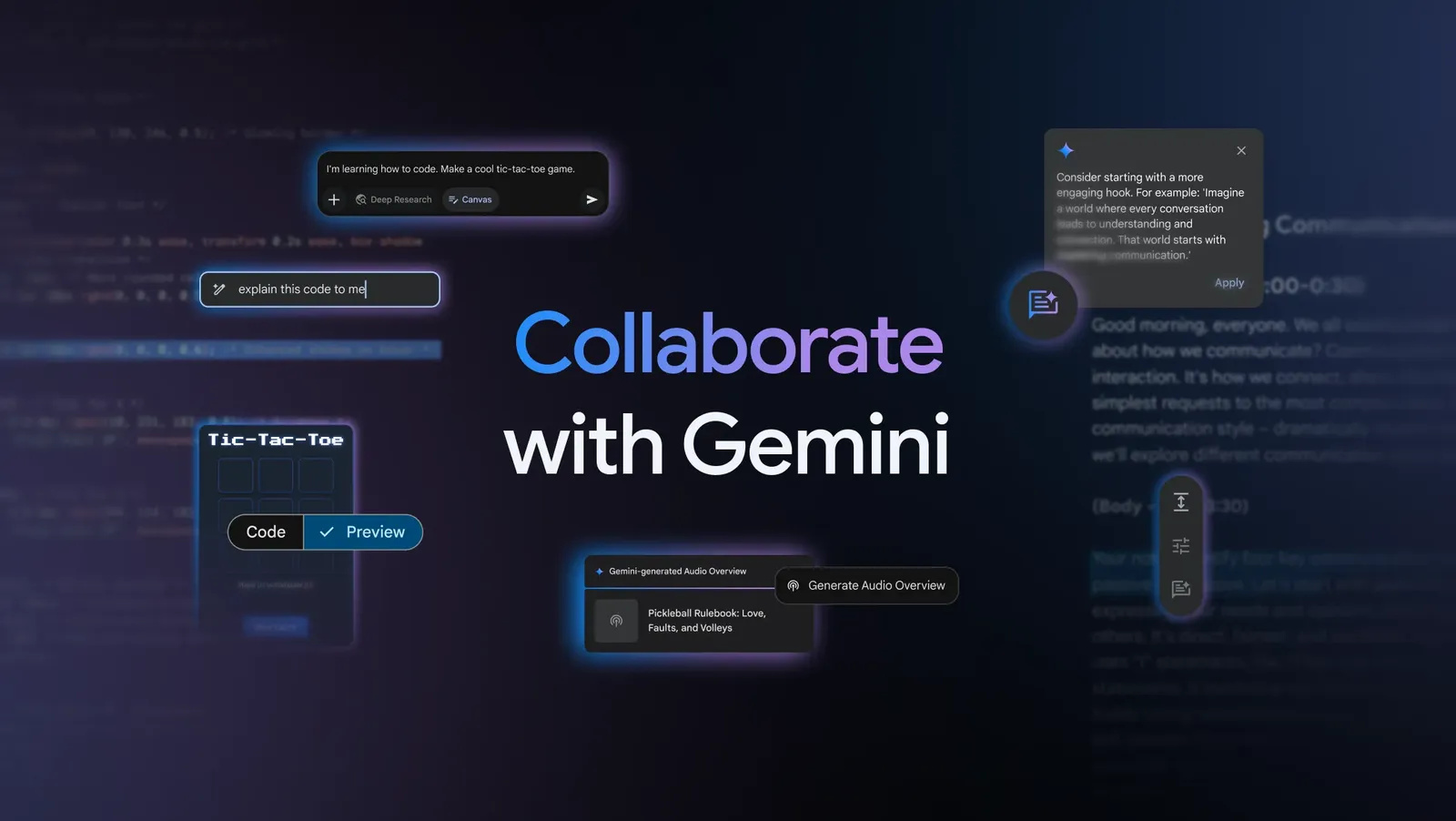
Now a simple task description written in everyday language is enough for the system to handle a call request. Google said it can take on new kinds of requests and new types of businesses without building a new conversational model for each task. You can attach specific conditions to a booking, such as asking for a window seat or requesting room for a stroller.
Source: Google (press release)
In the current calling system, Gemini understands what the other person says, plans the next move, and generates the reply. Google offered the example of scheduling car maintenance so it does not clash with other commitments. If the person at the front desk proposes a different time, the system adjusts the conversation accordingly. Google explained that on a phone call, whose turn it is to speak and even brief pauses matter alongside the words. If the AI speaks too soon it talks over the other person, and if it responds too late the call sounds like it has dropped.
What else can it do besides calling
Google said Tasks runs on Gemini 4 models, including Gemini 4 Hydrogen and Gemini 4 Neon. Among the capabilities it listed are analyzing utility bills, handling secure transactions using the Agent Payments Protocol, and coordinating with users over email and RCS, the messaging standard for mobile phones. The idea is to bundle the calling feature together with other jobs such as checking bills or processing transactions.
Source: Google (press release)
With this integration, the set of things you can ask AI to do widens from looking up information to actually making bookings and working out arrangements. The target is phone-based errands where the conditions have to be adjusted depending on how the other party responds. The open questions are whether it can accurately handle requests with multiple conditions attached in a real call, and whether the calls are not an inconvenience for the businesses on the receiving end.