OpenAI Dissolves Standalone Robotics Team, Betting on General-Purpose Models to Move Robots
Staff from the standalone robotics team have been split between the research and applied organizations. OpenAI says the shift is driven by research showing general-purpose models like GPT-6 Astra can be applied directly to robotics tasks.
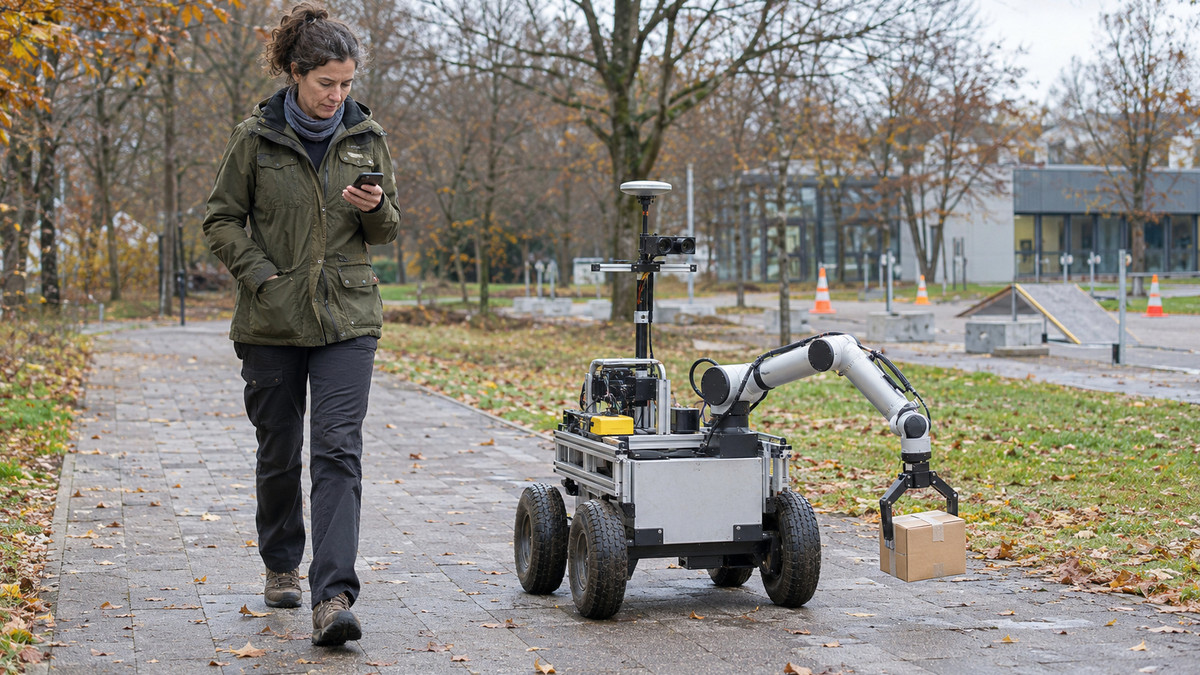
OpenAI has dissolved its standalone robotics team and reassigned its members to other parts of the company. According to a November 13 report from Fortune, OpenAI confirmed that research staff have been moved into the research organization led by Chief Research Officer Mark Chen. Applied robotics and hardware staff were moved to the applied organization headed by President Greg Brockman.
Who owns robotics now
Robotics work is being split between the research organization and the applied organization. OpenAI said it is continuing to develop robots, and described the reorganization as a decision meant to speed up the development of general-purpose robots. The company pointed to research findings showing that general-purpose AI models, built for many different uses, can be applied directly to robotics tasks. GPT-6 Astra is one such general-purpose model.
This is the second time OpenAI has disbanded a standalone robotics team. The company wound down its earlier robotics research in 2020, then rebuilt a dedicated team in 2024. This time, that team’s staff have been divided between the research and applied organizations. OpenAI’s robotics job listings name general-purpose robots and control of real hardware as research goals.
Can a general-purpose model drive a robot
The central research direction is to use AI models built for many purposes to control robots as well. In an experiment described in the report, the model was fed camera images along with information about the robot’s state. It was then connected to a means of issuing movement commands, allowing the robot to carry out tasks. Rather than stopping at a written answer, the model turns the information it receives into actual movement commands.
In NVIDIA research cited by the report, an AI system using GPT-6 Astra posted a 74.8% task success rate on manipulation tasks in a simulated environment. The best score reported on the same leaderboard for a robotics-specific model was 51.0%. The general-purpose model came out ahead by 23.8 percentage points.
What to watch before it reaches everyday use
What has changed is not a robot product but the development organization and the research approach. The direction OpenAI has laid out is to use general-purpose models directly for robotics tasks. Instead of building separate AI for robots, the approach drawing attention is to hand a model developed for many uses a set of images and state information and let it handle the motion.
For anyone hoping to use robots at home or at work, what matters is which tasks they can actually perform in real environments, and how reliably. Alongside success rates in simulation, results from controlling real hardware deserve attention. For users in South Korea, the deciding factors will be the range of products and services available locally and whether they can give robots instructions in Korean.
The reorganization signals OpenAI’s research direction: putting general-purpose models to work in robotics development. What to watch next is the range of tasks those models can actually complete on real robots, and at what success rate. If the research turns into a product, launch regions, timing, and pricing will be worth watching too.