AI Tools That Operate Apps for You and Polish Interfaces
Newly trending projects include an assistant that operates phone apps for you and a tool that fixes up AI-generated interfaces. Among returning projects, personal assistants and instruction collections that teach AI how to work drew renewed attention.
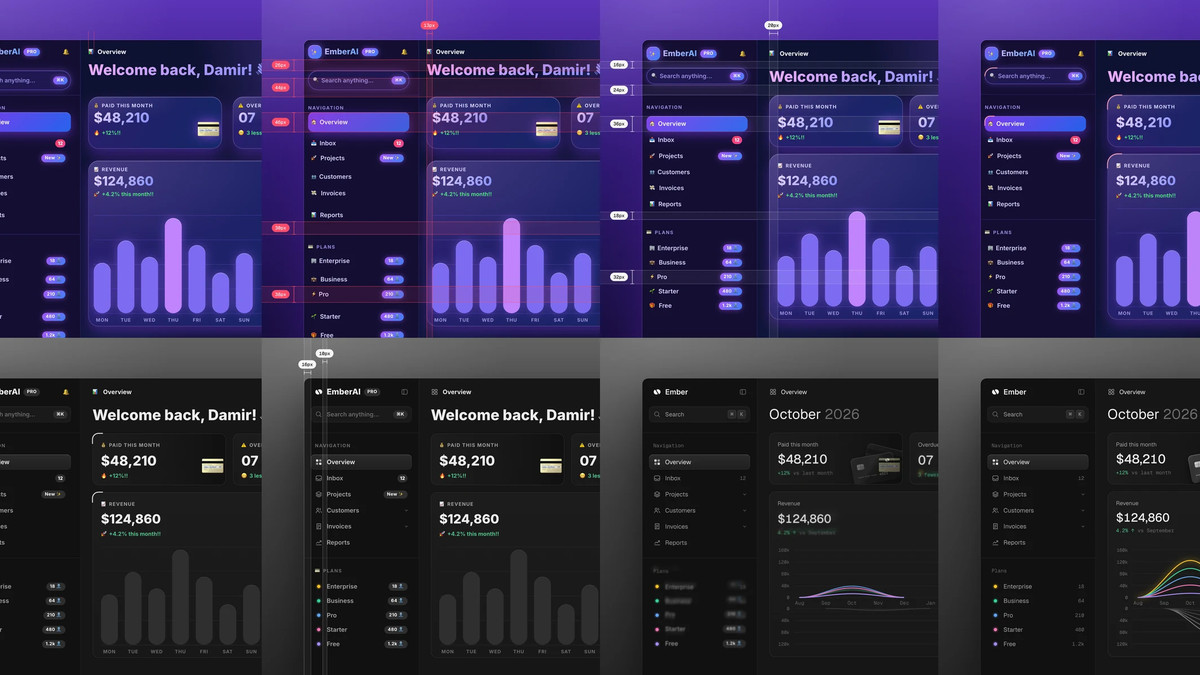
The AI projects that drew attention this week include tools that operate phone apps and websites on your behalf, plus a tool that cleans up interfaces generated by AI. Pose and outfit reference libraries for image creation also picked up interest. The pattern points to a widening use case: moving beyond back-and-forth conversation toward handing off actual work.
deepseek-ai/dsh-superagent-prototype: a research prototype for AI that works on its own
This project explores AI that handles tasks autonomously (agents). It has gathered 21,180 stars, GitHub’s marker of interest. The development team says the code came out of everyday development work and that a coding AI wrote a substantial portion of it. Since it is a research prototype rather than an official DeepSeek product, it suits developers who want to study the architecture and adapt it rather than put it straight into production.
Image: GitHub deepseek-ai/dsh-superagent-prototype (MIT)
heydamir/unslop: instructions for polishing AI-generated interfaces
This is a bundle of instructions (skills) that teaches Claude Code, Codex, and Google Antigravity how to do interface design work. It has 11,921 stars. The creator says it spots things like excessive glow effects, emoji labels, and uneven spacing, then revises the interface in a direction that fits the product. It targets people who have built a website or app with AI and want to tidy up the design.
Image: GitHub heydamir/unslop (CC-BY-4.0)
wangzan101/Mika: an assistant that operates Android apps for you
Mika is an AI assistant that handles requests by directly operating apps and websites on your phone. It has received 7,736 stars. The development team says it works on a separate, invisible display, so users can keep using their phone. It is worth a look for anyone who wants to delegate phone tasks, and Korean-language documentation is available.
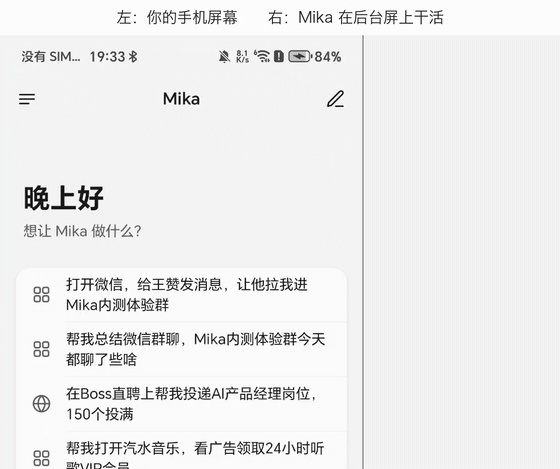
Image: GitHub wangzan101/Mika README (Apache-2.0)
anhao/ai-pose-gallery-zh: a collection of pose and outfit references
This project organizes pose, outfit, and character references in Chinese for use in creating character images. It has 6,439 stars. It presents 1,439 base mannequin images for poses and 1,439 depth-information images, plus outfit and character material. It is a tool for creators working out the composition and styling of AI images. It carries its own terms of use, so anyone planning commercial use should read them first.
worldonlyu/Google_AI_Pro_2Year_ZeroCost_Auto: an automation tool pitched on two years of free access
This automation tool claims to let you use Google AI Pro for two years at no cost. It has 3,242 stars. The person who posted it states that it is not a project they developed and that they are sharing it for analysis and study. It is aimed at people who want to look inside how the automation is put together. The repository has no license file.
modelflare-ai/AnyModelBot: an AI bot that runs on your own computer
This is an AI assistant app that runs on Windows, macOS, and Linux. It has gathered 2,740 stars. The development team says each bot can have its own model, workspace, and memory, and that you can chat with it through the app or services such as WeChat. It targets people who want to bundle multiple AI models into a personal assistant. Pricing is pay-as-you-go.
Image: GitHub modelflare-ai/AnyModelBot README (MIT)
paipiange/nvzhuang: outfit search and virtual try-on
This is a site where you can search AI-generated outfit images in Chinese and English. If you like, you can also use a virtual try-on feature. It presents 2,727 outfits in total, combining 1,407 photorealistic and 1,320 animation-style looks, and has 2,412 stars. It is a tool for people designing character outfits or wanting to try different clothes on a photo.

Image: GitHub paipiange/nvzhuang README (MIT)
Among projects back in the spotlight, personal AI assistants and collections of task instructions continued to attract interest.
openclaw/openclaw: an AI assistant you talk to through messaging apps
This AI assistant runs on your personal computer and converses through Discord, Slack, Telegram, and more. It has 394,216 stars. The development team says memory and credentials stay on the user’s device. It fits people who want an assistant centered on their own hardware and the messaging apps they already use.

Image: GitHub openclaw/openclaw README (MIT)
mattpocock/skills: pick-and-choose instructions for development work
This is a bundle of small instruction sets that teach AI how to do development work. It has 318,458 stars. The creator says it was designed so you can adapt only the instructions you need and combine them with one another. It suits developers building apps alongside AI.

Image: GitHub mattpocock/skills README (MIT)
anthropics/skills: a collection that teaches Claude how to work
This is a set of instructions for Claude released by Anthropic. It contains instructions and materials for recurring tasks such as document writing and data analysis, and it has 189,546 stars. It is worth a look for anyone who wants to apply their company’s document templates or established workflows to Claude. The repository has no license file.
New releases this week
- pytorch/pytorch: trunk build released November 8.
- microsoft/semantic-kernel: dotnet-1.82.0 released November 7.
- openai/codex: 0.167.0 released November 6.
- BerriAI/litellm: 1.108.0 (LTS) released November 4.
- ggml-org/llama.cpp: v0.9.0 released November 4.
- modelcontextprotocol/servers: v2.3.0 released November 4.
Image: GitHub microsoft/semantic-kernel (MIT)
The center of gravity this week is tools that hand work off to AI and then refine what comes back. When choosing one, it pays to look at both how far the tool goes in handling the job and what its terms of use say.