Legora Reviews Thousands of Contracts in Minutes, Giving Lawyers Back 9.5 Hours a Week
OpenAI has published a case study on Legora, an AI platform for legal work. AI handles bulk contract analysis, while lawyers verify and interpret what it finds.
On October 28 local time, OpenAI published a case study on Legora, an AI platform built for legal work. Legora builds its platform using OpenAI models and AI coding assistance. The case study describes how AI is being used in legal practice and what results it has produced.
How thousands of contracts get reviewed
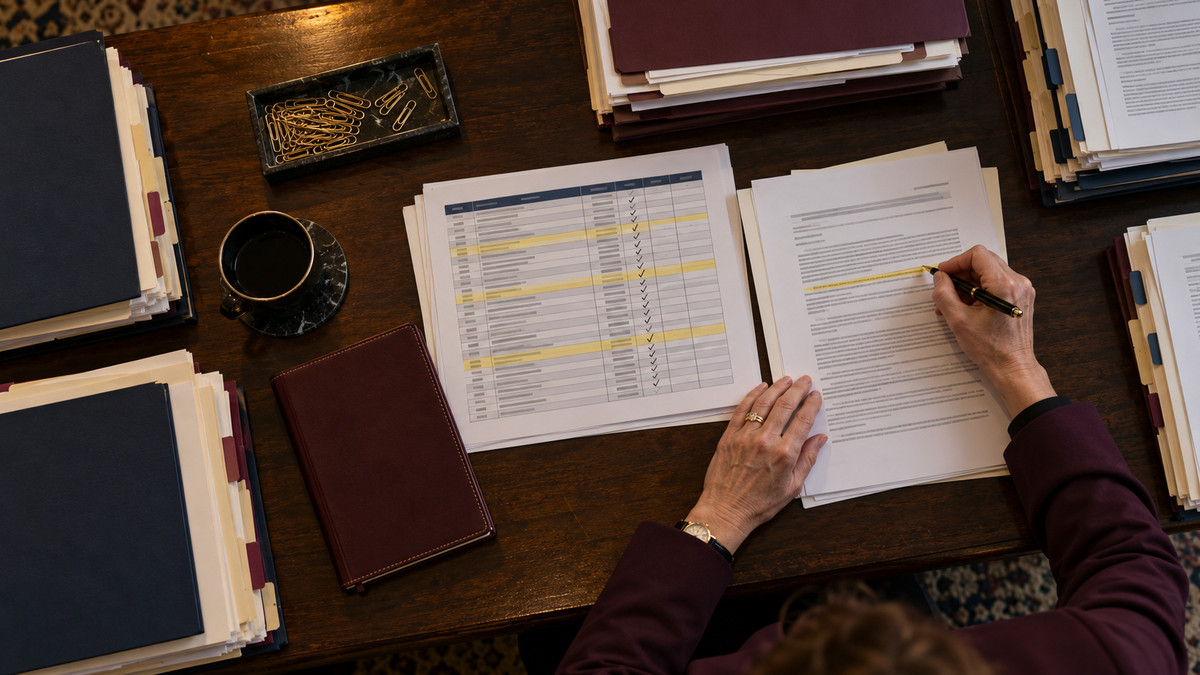
The core capability is reading large volumes of contracts at once and surfacing the passages relevant to a given question. OpenAI says Legora’s “Tabular Review” feature analyzes thousands of contracts within minutes. Work that lawyers once did by scanning documents one at a time is handled by AI instead.
Legora’s features can also be used directly inside a ChatGPT conversation by connecting the Legora plugin for ChatGPT. Beyond its customer-facing platform, Legora also uses ChatGPT Work and Codex for its own internal operations.
In due diligence, the document review that precedes events such as corporate acquisitions, the work is split between AI and lawyers. AI agents, which carry out tasks on their own, review the contracts and extract the needed information, and lawyers then verify those results and judge their legal significance.
How much review time was saved on NDAs
On Legora’s own legal team, the share of work spent reviewing non-disclosure agreements (NDAs) fell from about 20% to under 1%, according to OpenAI. In other words, repetitive NDA review now takes up a far smaller slice of the team’s workload.
Customers have seen time and cost savings as well. According to OpenAI, one Fortune 100 customer cut contract processing time by 90%. The company saved more than $20 million on outside litigation and due diligence costs, and freed up 9.5 hours per week for each lawyer. The results cited cover not just processing speed but also the time lawyers gain for other work.
OpenAI also shared figures on adoption within organizations. In organizations where more than 75% of leaders are active Legora users, median usage was three times higher, the company said.
Capabilities such as analyzing millions of pages overnight, or lawyers and AI working together in real time, were presented as future possibilities. The central point of this case study is that the time spent on bulk document review goes down, while lawyers shift toward verifying and interpreting the information the AI produces. Whether review quality holds up as the scope of document analysis widens is the thing to watch going forward.