71% of Americans Say 'Not in My Town' to Data Centers, Making It a Midterm Issue
71% of Americans oppose a new AI data center in their own community. Worries about electricity bills and the environment are spreading across party lines and have surfaced in local ballot measures and election campaigns.
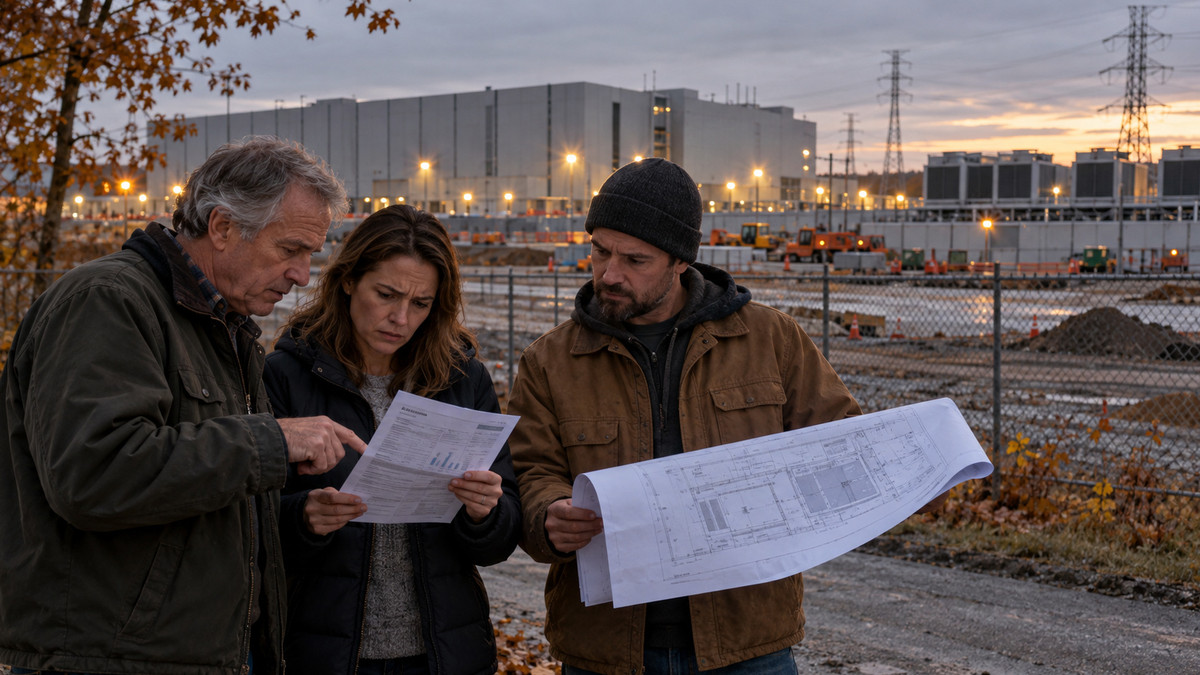
Pushback against data center construction has become an issue heading into the 2026 US midterm elections. On October 27, The Verge reported that opposition has erupted across the country as large server facilities and the power infrastructure that feeds them multiply at speed. Local ballot measures dealing with data centers have also appeared. Questions about where to build the facilities that underpin AI, and who pays for them, are now bound up with voters’ decisions.
If It’s in My Neighborhood, 71% Say No
In a Gallup survey, 71% of Americans opposed building a new AI data center in their own community. And 48% said they strongly opposed it. Gallup conducted the survey March 2-18 and released the results on May 13. Gallup noted that opposition ran above half among both Democrats and Republicans.
Views of the environmental impact of data centers have also soured. In Pew Research Center polling, the share of respondents saying data centers are mostly harmful to the environment rose from 39% in January to 54% in July and August. That is a 15 percentage point jump in a little over six months.
Pew’s survey of 10,548 US adults turned up similar reluctance. Asked about a new data center in their own area, 60% said they would be uncomfortable. Among Democratic-leaning respondents the figure was 68%; among Republican-leaning respondents, 54%. The shares differed, but majorities in both groups said they would be uncomfortable.
Who Pays the Electricity Bill
What residents are weighing is their living environment against economic gain. In a separate Gallup survey conducted in April, those opposed cited the use of resources such as water and electricity, pollution, quality of life, and cost. Supporters pointed mainly to economic benefits such as jobs. Residents are weighing the jobs a project would bring to the area against the burdens they would bear.
The US government and participating companies have made commitments on power costs. On March 4, the White House announced a “ratepayer protection pledge.” Under it, data center companies would cover the cost of new power supply and grid expansion, and contribute to local jobs and grid stability. In other words, when more electricity is needed to run these facilities, the companies say they will bear that cost themselves.
Local resistance has also spilled over into electoral politics. Data center questions have made it onto the list of 2026 local ballot measures and have surfaced in campaigns.
What to watch from here is whether the cost pledges are actually honored, and how the local votes turn out. The effects on electricity rates and the environment also remain issues that will have to be assessed facility by facility.